
Commutation in Wisconsin
Estimated Read Time: 9-10 Minutes
The restoration of the Wisconsin commutation process in April 2026 has opened a transformative door for those who have spent years proving their dedication to change. This is a moment of profound hope and opportunity, offering a clear, structured path for individuals to demonstrate that they are far more than the mistakes of their youth or past. By meeting rigorous standards for behavior, rehabilitation, and safety, those behind bars are not just asking for a shorter sentence, they are presenting a powerful story of human growth and earned redemption. With the first hearings scheduled for June 2026, now is the time to move forward with confidence, knowing that the state has created a fair and transparent stage for the hard work and transformation to be recognized by the Governor.
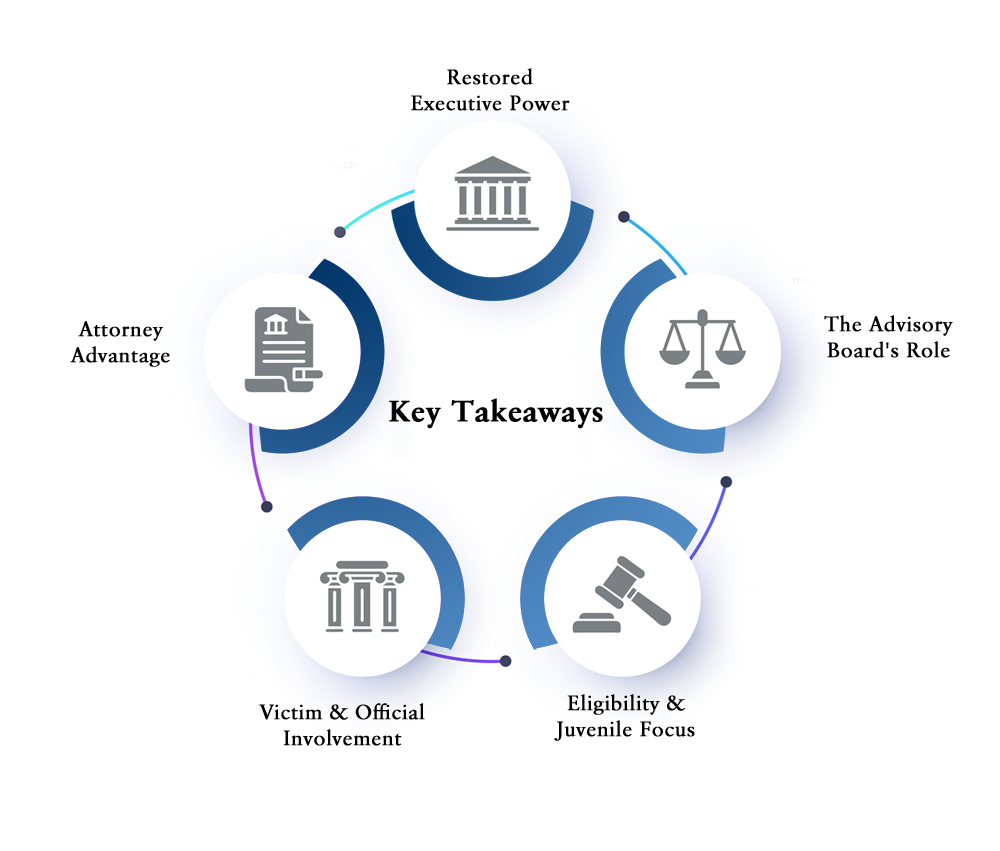 Key Takeaways:
Restored Executive Power: In April 2026, Governor Tony Evers reinstated the commutation process, ending a 25-year period during which this constitutional power to shorten prison sentences was rarely used.
The Advisory Board’s Role: A new 14-member Commutation Advisory Board was established to research applicants and conduct public hearings to determine if an individual has truly reformed.
Strict Eligibility Requirements: Applicants must have served at least half of their sentence (or 20 years for life terms), have at least 1 year remaining, and maintain a clean conduct record for 5 years.
Focus on Juvenile Sentences: Executive Order #288 specifically targets individuals convicted at age 19 or younger, acknowledging scientific developments regarding the maturation of the adolescent brain.
Victim and Official Involvement: The process requires formal notification of the original judge and district attorney, while prioritizing victim input and safety through the Office of Victim Services and Programs.
The Likelihood of a Commutation Being Granted Increases with an Attorney:
For the highest likelihood of a commutation being granted, the way your case is presented can carry significant weight. Working with a highly experienced attorney who has handled these cases helps bring clarity and structure to your story, ensuring your documentation, progress, and rehabilitation are thoughtfully organized and powerfully conveyed, allowing the board to not only understand your journey, but truly feel it.
Commutations in Wisconsin
A commutation is a special power held by the Governor that allows them to shorten or change a person’s criminal sentence while they are still serving it in prison. Unlike a pardon, which is usually a way to forgive someone after they have already finished their time and returned home, a commutation is a direct modification of a current punishment. In Wisconsin, this serves as a second look at a case to determine whether the original punishment is still necessary, especially if the person has spent years working hard to change their life and improve themselves through education or work programs behind bars.
When the Governor decides to grant a commutation, it can work in a few different ways. It might simply cut several years off a prison term, or it could change a life sentence into one with the eventual opportunity to ask for release. A commutation can even allow someone to serve the remainder of their time at home under the supervision of a parole officer instead of remaining incarcerated.
It is important to understand that a commutation does not erase the crime or mean the person has been declared innocent. Even after a commutation, the conviction will stay on their permanent record. It also does not automatically give back rights like the ability to vote or own a gun, as those are usually only restored through a full pardon later on.
The main reason this process exists is to recognize rehabilitation and serve the interests of justice. Because Wisconsin has now set up a formal Commutation Advisory Board to review these requests, there is a structured way for the state to identify people who have truly changed. By examining a person’s behavior, participation in prison programs, and community safety, the Governor can use this power to ensure that prison sentences remain fair and effective. The commutation process provides a rare but important path for someone to earn their way back to society earlier than originally planned.
Recent Developments
Governor Tony Evers officially reinstated the commutation process in Wisconsin, ending a 25-year period in which this power was almost never used. While a pardon is for people who have already finished their sentences, a commutation allows the Governor to actually shorten the sentence of someone currently sitting in prison. By signing two new Executive Orders, #287 and #288, the Governor created a clear roadmap for how incarcerated people can ask for a second chance if they have proven they are rehabilitated and no longer a threat to the public.
To make this happen, the Governor created a new group called the Commutation Advisory Board. This board is composed of experts who closely examine an applicant’s behavior, work history, and the programs they completed while in prison. One of the main goals of this new system is to look at people who were sentenced to life in prison when they were still teenagers. The state is now acknowledging that young people’s brains change as they grow up, and these orders provide a way for the government to re-evaluate if those decades-old sentences are still fair today.
This restoration doesn’t mean people are just being released from prison. Instead, think of it as a formal process to review cases where a shorter sentence might serve the larger community. To qualify, a person must have already served a large portion of their time, usually at least half of their sentence, and have a clean record of behavior for at least five years. This change brings Wisconsin back in line with the state constitution, which has always given the Governor this power, even though it hasn’t been used for a very long time.
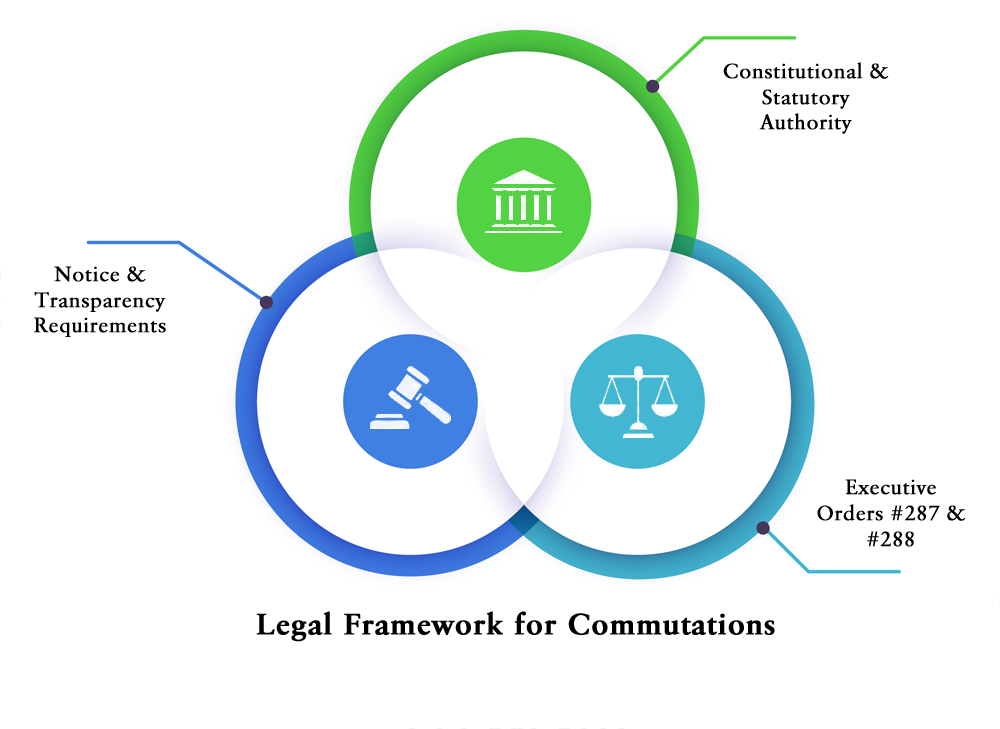 Legal Framework for Commutations
The legal authority to shorten sentences in Wisconsin rests on multiple layers of law. It begins with Article V, Section 6 of the Wisconsin Constitution, which grants the Governor the power to grant reprieves, commutations, and pardons. While this power is discretionary, the Governor must report these decisions to the state legislature annually to maintain transparency. However, this constitutional authority is not absolute; it is subject to specific regulations provided by law. Under Wisconsin Statutes Chapter 304, the process includes mandatory notice requirements. The law ensures that the original sentencing judge (or court), the district attorney, and the victims are formally notified so they have the opportunity to provide input before a commutation is granted. Additionally, the Governor’s power is one of several ways a sentence can be adjusted. Wisconsin courts also maintain the authority to modify sentences under specific circumstances, such as the discovery of a “new factor” or through sentence adjustment petitions permitted by Wis. Stat. § 973.195.
The final piece of the puzzle was when Governor Evers signed two new executive orders to officially restart the system. Executive Order #287 created the Commutation Advisory Board, a group of experts who review applications to see if an incarcerated person has truly reformed. At the same time, Executive Order #288 was created to focus specifically on people who were 19 or younger when they committed their crimes. This order is based on scientific developments in understanding how the young brain develops, allowing the state to take a second look at long sentences imposed on teenagers. Together, these laws and orders create a structured path that moves from the high levels of the state governance down to the daily work of reviewing individual cases for fairness and rehabilitation.
Timing and Custody Requirements
There are timing and custody requirements in place that serve as a first step to ensure commutations are reserved for cases where it is clear that someone has truly put in the time to change. First, the state requires that an applicant must have at least one year left to serve in prison. This rule ensures that the Governor’s office has enough time to properly investigate the case and talk to victims without rushing. It also keeps the system from getting clogged up.
Second, there is a strict rule about how much time must be finished before asking for a reduction. Most people must have completed at least half of their original sentence. If someone is serving a life sentence, they must serve at least 20 years before they can even apply. This halfway or 20-year mark is important because it shows the person has spent a very long time in rehabilitation. It also honors the original judge’s decision by making sure a significant part of the punishment is served before the Governor steps in to consider an early release.
Finally, the person must be currently incarcerated in a Wisconsin correctional institution for a Wisconsin conviction and have no other legal matters pending. This means they cannot have any unresolved criminal charges or outstanding warrants in any jurisdiction. The Governor will only look at a case once the legal process is complete and the person’s sole focus is on their behavior and growth within the prison. Basically, these rules ensure that a commutation is a reward for a long, proven track record of doing the right thing while serving a significant sentence.
Safety and Behavior Requirements
The behavioral and safety rules for getting a shorter sentence are all about proving that you have truly changed and are safe to return to the community. The most important requirement is that you must go at least five years without any violent behavior or fights while in prison. This period of good, nonviolent behavior shows the Governor that you can handle stress and follow rules over a long period of time, rather than just behaving well for a few weeks to get out.
Beyond just staying out of trouble, the state looks at your daily life and habits behind bars to see if you are working hard to become a better person. These details of your daily life are important to the Commutation Advisory Board, which will review your records to see if you have held a steady job in prison, finished required therapy or drug treatment programs, and worked on your education, such as getting a GED or taking college classes. They will want to see that you have done more than just served time and will look for evidence that you have actively sought out ways to grow. If you can show a long, documented history of being peaceful, hardworking, and legally clean, you will have cleared the most important hurdles to prove you deserve a second chance.
Juvenile Life Sentence Commutation
The juvenile life sentence path is a special set of rules for people who were 19 years old or younger when they were convicted of a serious crime and sent to adult prison. This specific process was developed in response to developments in neuroscience. The court now recognizes that teenagers’ brains are still developing and that they are much more likely to make impulsive, poor decisions than older adults. Because of this, the state believes that someone who was sentenced to life, or a very long term of more than 39 years, while they were still a young person, deserves a second look once they have grown up and spent decades proving they are no longer that same person.
To get a shorter sentence through this path, an applicant must show the Commutation Advisory Board that they have spent their time in prison truly maturing. The Board isn’t just looking at the original crime. They are also looking for a clear break from the person the applicant was as a teenager. They look for evidence of leadership, such as mentoring younger incarcerated people, or maintaining a long record of staying out of trouble and completing advanced education.
This rule acknowledges that a person in their 40s or 50s is often completely different from the 18-year-old they once were, and it gives those who have worked the hardest to rehabilitate themselves a chance to eventually return to their communities.
Exclusions
The rules regarding certain offenses constitute a permanent denial of commutation for certain types of crimes. This means that if you were convicted of one of the crimes that fall into the exclusionary category, the Governor will not consider shortening sentences for these specific cases. The biggest category on this list involves sex offenses. If a person’s crime requires them to be on the sex offender registry, either while they are in prison or after they are released, they are completely barred from applying for a commutation. This is a strict, non-negotiable rule used to ensure that the public is protected and that these specific types of cases serve their full, original time as determined by the court.
Beyond sex offenses, the state explicitly excludes any crimes committed against children. This includes convictions for physical abuse, human trafficking, or the sexual exploitation of a minor. The Governor’s office has made it clear that these crimes are too severe to qualify for early release or a second chance through this specific process.
Additionally, the Governor retains discretionary authority to reject any application involving a crime considered particularly egregious. This includes acts that were exceptionally cruel, demonstrated a depraved indifference to human life, or caused extreme harm to the community.
These exclusions ensure the commutation process remains focused on individuals whose offenses do not involve sexual violence, the victimization of children, or acts of extreme malice.
FAQs
What is the difference between a pardon and a commutation?
Pardon
A pardon in Wisconsin is official forgiveness from the Governor for a past conviction. It does not erase the conviction, but it shows the person has been rehabilitated and can help remove barriers to jobs, housing, and professional licenses. It may restore certain civil rights, but it does not automatically restore firearm rights, which typically require specific approval.
Commutation
A commutation is different. It happens while a person is still serving their sentence and simply reduces that sentence. This could mean less time in prison or a change in the terms of punishment. A commutation does not forgive the conviction and does not restore any rights. It only lessens the punishment being served.
Will the victims of the crime have a say in my application? Yes. The Commutation Advisory Board considers the opinions of victims to be one of the most important parts of the review. The state’s Office of Victim Services and Programs will reach out to registered victims to let them know that a hearing is taking place and to offer them the chance to write a letter or speak to the Board directly.
Is the Commutation Advisory Board the same as the Parole Commission? No, they are separate. The Parole Commission is an independent group. The Commutation Advisory Board is a new group created in 2026 specifically to help Governor Evers decide whose sentence should be shortened under his executive powers. A commutation can potentially change your parole eligibility date or shorten a sentence that normally wouldn’t have parole.
Does it cost money to apply for a commutation? There is no fee to file the application with the Governor’s office. However, you might have to pay minimal fees to get the certified copies of information and transcripts.
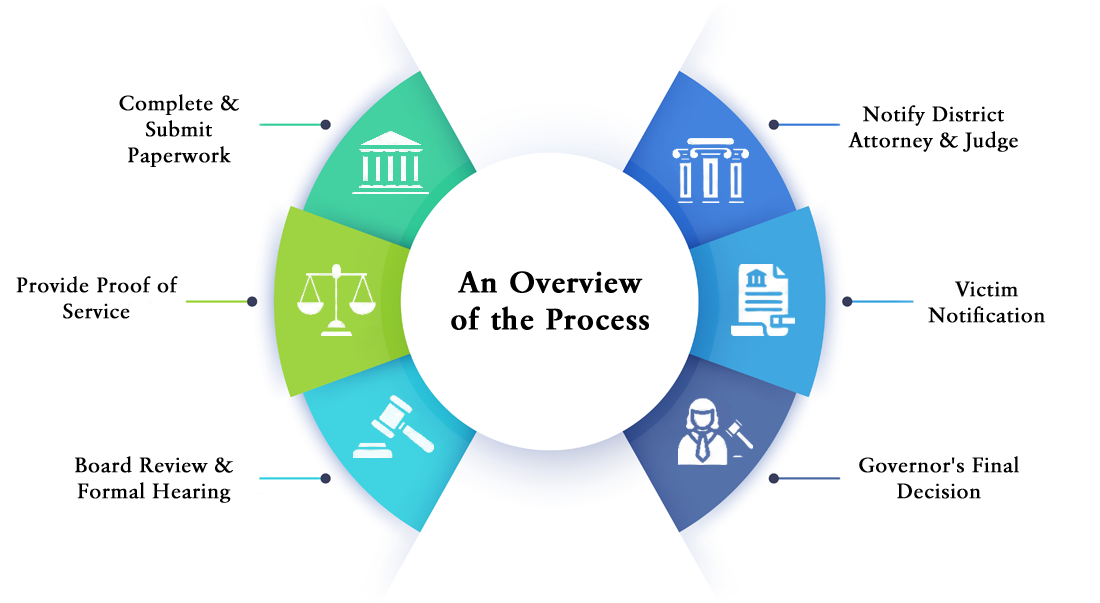 An Overview of the Process
Below is a basic overview of the steps involved
- • Fill out the paperwork required.
- • Notify the District Attorney and Judge (Clerk of Circuit Court): Serve a formal Notice of Application to both officials in every county where a conviction occurred.
- • Provide Proof of Service: Include an Affidavit of Mailing or certified mail receipts with your application to the Governor’s Office as sworn evidence that these parties were notified.
- • Allow for Victim Notification: The Office of Victim Services (OVS) will independently coordinate direct notification to registered victims.
- • Undergo Board Review: The Commutation Advisory Board will evaluate your file, specifically examining your DOC conduct record and completion of institutional programming.
- • Attend the Formal Hearing: If selected, you will participate in a hearing, usually held by video, to discuss your rehabilitation and reentry plans.
- • Wait for the Governor’s Decision: The Board issues a non-binding recommendation, but the Governor maintains final authority over the grant or denial.
Notify the District Attorney and Judge or Clerk of Circuit Court
You must send a formal Notice of Application form to the District Attorney and the Judge or Clerk of Circuit Court in every county where you were convicted. It is best to send these via Certified Mail so you have a receipt proving they received the notice. This serves as an official “heads-up” to the legal system that you are seeking a commutation.
Provide Proof of Service:
To prove you notified the required officials, you must include a notarized Affidavit of Mailing when submitting your application to the Governor. While Certified Mail receipts provide physical proof of delivery, the signed and notarized Affidavit is the specific legal document required to demonstrate that you followed the law. Without this sworn evidence, the Governor’s office will not process your request.
Victim Notification
The process for notifying victims of a commutation is handled entirely by the state to ensure victims feel safe and respected throughout the process. Once an application is filed, the Office of Victim Services and Programs identifies the victims associated with the case using a state registry. They send out formal notices at least three weeks before any hearing, informing victims of the request and explaining their rights. This separation is very important: the person in prison is strictly forbidden from contacting victims directly, as all communication must go through official state channels to prevent any harassment or unwanted contact.
Victims have a major influence on the final decision and can choose to participate in a few different ways. They can write a letter describing how the crime affected them, or they can speak directly to the Commutation Advisory Board during the hearing. These statements are kept confidential from the applicant to protect the victim’s safety, but they are closely examined by the Board and the Governor. Under Wisconsin’s Marsy’s Law, the state is committed to making sure victims are treated with dignity and have a seat at the table before any sentence is shortened.
The Commutation Advisory Board of Review
The Commutation Advisory Board is composed of a specialized group of up to 14 experts, such as former judges, attorneys, and victim advocates, who screen applicants for the Governor. Because the Governor cannot personally investigate every incarcerated person, this board conducts the necessary research and legwork by holding public hearings and examining the fine details of an applicant’s history. While the board holds a formal vote and issues a recommendation, its decision is non-binding, meaning the Governor retains the ultimate constitutional authority to either sign or deny the final order.
When evaluating a case, the board looks for concrete evidence of personal growth and rehabilitation rather than just the passage of time. They carefully review whether an applicant has completed essential therapy, substance abuse treatment, or educational milestones like a GED or a college degree. They also perform a deep dive into the person’s institutional conduct, ensuring the applicant has a steady work history within the prison and has remained completely non-violent for at least the last five years. These factors help the board determine if the individual has moved beyond their past mistakes.
Concerns of public safety and the interests of justice are the final hurdles the board considers before making a recommendation. They evaluate a re-entry plan to ensure the applicant has a stable place to live and a path to employment, thereby reducing the risk of their return to prison. Furthermore, the Board places significant weight on the voices of victims and the opinions of the original sentencing judge and district attorney. By balancing the applicant’s progress with the community’s and the legal system’s concerns, the Board ensures that a second chance is recommended only for those who have truly earned it.
The Commutation Advisory Board Hearing
The hearing for the Commutation Advisory Board is a live, public meeting, usually conducted via a high-definition video link, where a group of experts decides whether to recommend you for a shorter sentence. This meeting is the culmination of months of background checks and investigations into your prison records, conduct, and growth.
The process begins with you giving a brief opening statement where you explain your rehabilitation and your specific plans for housing and work once you are released. After your statement, the Board members will ask you detailed questions about your behavior in prison, your understanding of the harm caused by your crime, and how you plan to stay on the right path. They will also weigh the voices of the victims, the judge, and the district attorney. Once all the information is out on the table, the Board will hold a public vote. If a majority agrees that you have earned a second chance, they send a positive recommendation to the Governor for a final decision.
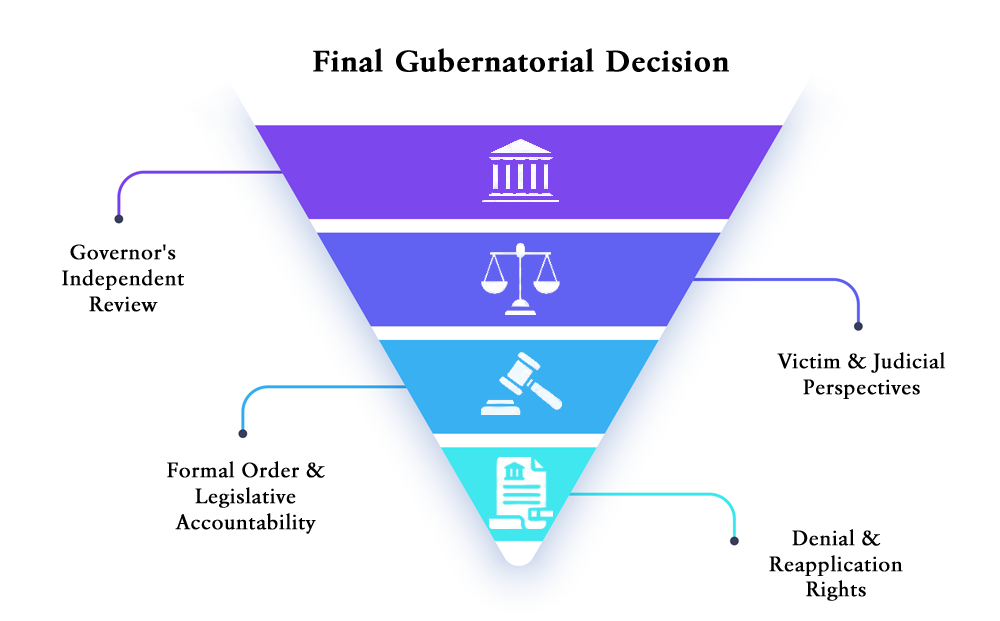 Final Gubernatorial Decision
The final decision on a commutation is made entirely by the Governor, who holds the ultimate authority to deny every request. Even after the Commutation Advisory Board has held a hearing and recommended a shorter sentence, the Governor’s legal team conducts one last review. The Governor seeks distinctive evidence that the person has truly changed and is safe to return to the community. The Governor also examines the victim’s perspectives and the original judge’s intent in depth. This is a serious responsibility of the Gubernatorial office, and the Governor is likely to grant commutations only to people who have shown a long, proven record of doing the right thing.
When the Governor decides to say yes, they sign a formal legal document that tells the prison exactly how much to shorten the person’s sentence. This order is a final legal change that cannot be overturned by a court or the legislature. However, the Governor cannot keep these decisions secret. By state law, they must send a report to the state legislature every year explaining exactly who they helped and why they felt it was the right thing to do. This ensures that the process is fair and that the Governor is held accountable by the public for every second chance granted.
If an applicant is denied, they may reapply 18 months after the date of denial.
Schedule a Free Case Evaluation Today
Applying for commutation in Wisconsin is a highly detailed and demanding process. Success often comes down to thorough preparation and having an experienced attorney who has handled these cases before.
For the best chance at success, it is strongly recommended to work with an attorney who has a proven track record with commutation cases. Fortunately, Tracey Wood & Associates offers free, no-obligation case evaluations to take a closer look at your case. During this consultation, you can ask questions and receive clear answers, while our defense team carefully reviews the facts and details to help you understand your options and the path toward the best possible outcome.
Call (608) 490-5779 or Schedule a Free Case Evaluation Online
Contact Us
Footer
Locations
Headquarters, Main Office, and Mailing Address
Tracey Wood & Associates
6605 University Avenue
Suite 101
Middleton, WI 53562
Downtown Office

Tracey Wood & Associates
345 West Washington Avenue
Suite 328
Madison, WI 53703
Tracey Wood & Associates
6605 University Avenue
Suite 101
Middleton, WI 53562
Downtown Office
Tracey Wood & Associates
345 West Washington Avenue
Suite 328
Madison, WI 53703