
Roadside Saliva Testing Wisconsin
Wisconsin Act 99: What Changed and What It Means
Wisconsin Act 99 allows law enforcement to request a roadside screening test using not only breath, but also a sample of your saliva (oral fluid). If an officer believes there is probable cause that you are operating while intoxicated, they can request a breath test, a saliva test, or both.
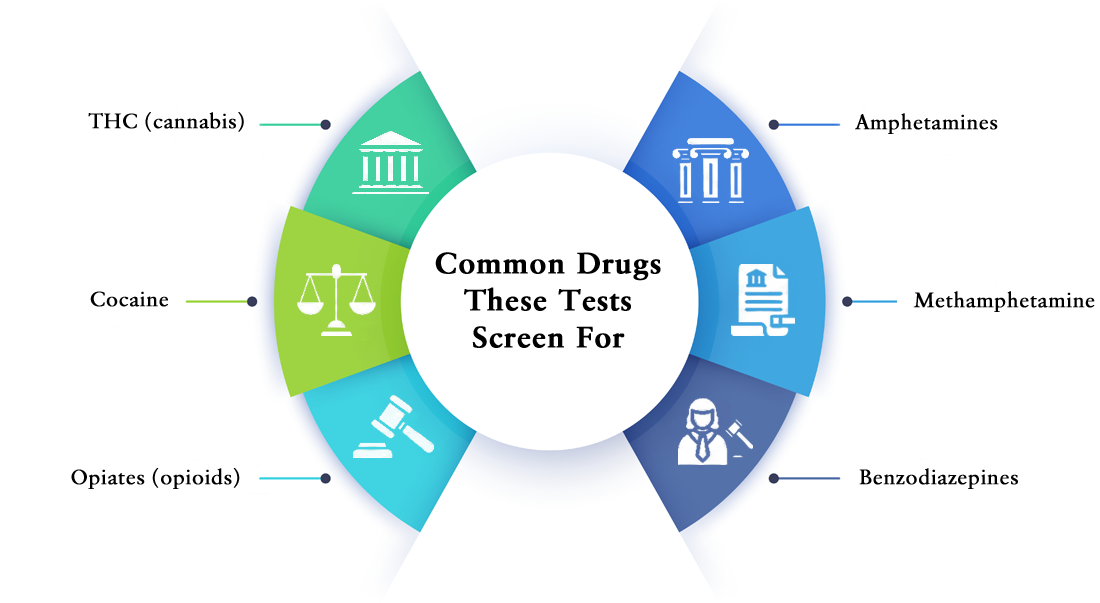
The most common drugs these roadside saliva tests screen for include:
- • THC (cannabis)
- • Cocaine
- • Opiates (opioids)
- • Amphetamines
- • Methamphetamine
- • Benzodiazepines
How the Saliva Test Works in Wisconsin
In Wisconsin, if an officer believes a driver may be impaired, they can request a roadside saliva test as a preliminary screening tool.
The process is simple and quick:
- • The officer places a small swab inside your mouth, usually along your cheek or under your tongue.
- • The swab collects a sample of your saliva.
- • The sample is inserted into a handheld testing device, such as the Abbott SoToxa Oral Fluid Mobile Test System or the Alere DDS2 Mobile Test System.
- • The device analyzes the saliva for the presence of certain drugs.
These devices do not measure how much of a substance is in your system. They only indicate whether a substance is detectable.
This law also applies beyond standard motor vehicles, extending to alleged intoxicated operation of ATVs, UTVs, snowmobiles, motorboats, and off-highway motorcycles.
Like roadside breath tests, saliva tests are not used in court to prove guilt. Instead, they are used to help an officer decide whether there is enough reason to make an arrest and to request a more formal chemical test, such as a blood draw.
Unlawful Search & Seizure Concerns
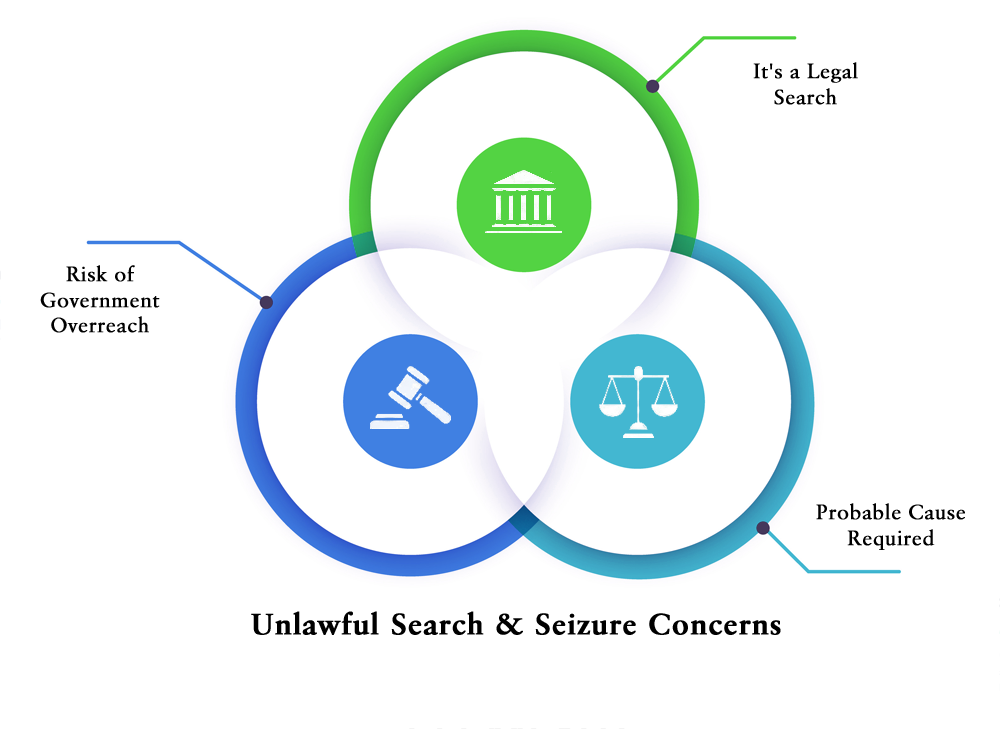
Roadside saliva testing raises serious Fourth Amendment concerns. Under the law, collecting any type of bodily sample, even something as quick and simple as a saliva swab, is considered a search. Because of that, law enforcement must meet a clear legal standard before doing it, typically probable cause or a valid warrant.
A saliva swab is not a casual or truly voluntary interaction. It involves the government taking biological material from your body, which is a meaningful intrusion into personal privacy. When officers collect that kind of sample without meeting the required legal threshold, it can move beyond legitimate enforcement into potential overreach affecting citizens across Wisconsin.
Limitations of Saliva Testing
These tests do not show whether someone is actually impaired at the time of driving. They do not measure the quantity of a substance, and they do not establish when a substance was used.
A person could test positive for a legal or illegal substance that was consumed hours or even days earlier, without being impaired while driving.
Because of that, the presence of a substance alone does not equal impairment. Probable cause can still be challenged, and these devices are not considered 100 percent reliable.
In practice, this means someone could be detained or arrested simply because a substance is detectable in their system, even if that detection does nothing to prove actual impairment at that moment.
 Can Roadside Saliva Tests Be Used as Evidence in Court?
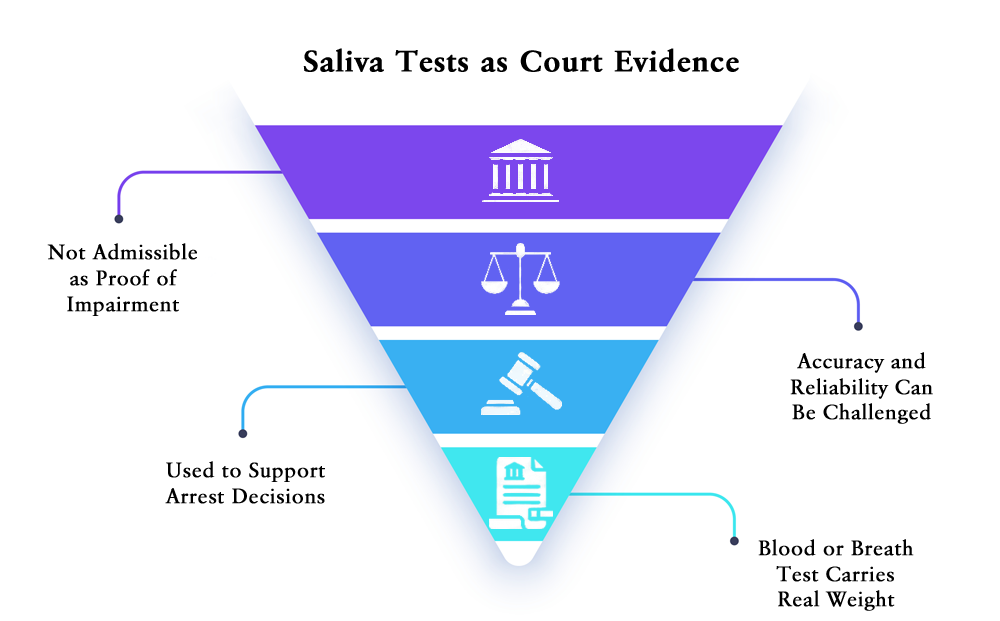
The roadside saliva test itself is generally not admissible to prove that you were impaired. Instead, it is used as a preliminary screening tool to help an officer decide whether there is enough justification to make an arrest or request a formal chemical test, such as a blood test.
This is similar to how roadside breath tests are treated in Wisconsin. These preliminary tests are used to support an officer’s decision-making process, not as definitive proof of impairment in court.
Like roadside breath tests and field sobriety tests, saliva tests can be challenged. Issues such as accuracy, reliability, and how the test was administered can all be questioned.
In most cases, the real evidentiary weight comes from the official chemical test (blood or breath) conducted after the arrest, not the initial roadside screening.
Unfortunately, these tests can lack reliability and scientific consensus and may produce false positives from something as common as certain foods or legally prescribed medications.
Can You Refuse the Roadside Saliva Test?
In Wisconsin, when a police officer stops a driver suspected of operating while impaired, their goal is to gather enough evidence to establish probable cause for an OWI arrest. This typically includes asking the driver to perform field sobriety tests, submit to a handheld preliminary breath test (PBT), and, under Wisconsin Act 99, provide a preliminary oral fluid (saliva) sample.
For most drivers, all three of these roadside tests are considered voluntary. That means you can refuse them without triggering the automatic license revocation or “refusal” penalties associated with Wisconsin’s Implied Consent law.
However, these tests are still investigative tools used to build a case. Refusing them does not prevent an arrest if the officer believes there is sufficient other evidence of impairment.
If an arrest is made, the officer will then request that the driver submit to an evidentiary chemical test of their blood, breath, or urine.
Preparing to Beat Your OWI

Most people underestimate their own leverage in a criminal case.
In the courtroom, the scales of justice do not just tip for the law. They tip for the prepared. True power comes from knowing the case better than the officer who made the arrest and the prosecutor bringing the charges. When your defense team understands the evidence, the facts, and the hidden weaknesses in the state’s case, the momentum shifts.
At Tracey Wood & Associates, we do not leave outcomes to chance. We prepare every case from day one as if it is headed for trial. That relentless discipline is why we have secured thousands of successful OWI outcomes and why we can do the same for you.
An OWI charge can feel overwhelming, but you do not have to face it on your own. One conversation with an experienced defense attorney can bring clarity and direction, replacing uncertainty with a real plan. Many clients tell us that after their first call, they finally understand their options and see paths forward they did not know existed.
What to Expect During Your Free Case Evaluation
A strong defense starts with a focused, strategic conversation. During your no-cost consultation, we concentrate on three things:
Listening to Your Story
We take the time to learn what actually happened, not just what is written in the police report.
Evidence Review
We walk through the known facts and begin identifying weaknesses, inconsistencies, and gaps in the prosecution’s case.
Clear Guidance
You can ask questions, raise concerns, and get a straightforward assessment of what you are facing and what can be done next.
After the consultation, we begin a preliminary investigation right away to start building a defense strategy aimed at protecting your future and your freedom.
Request Your Consultation
If you are ready to understand your options and take control of your case, submit your information below to schedule your free evaluation with Tracey Wood & Associates.
Call (608) 490-5779 or Schedule a Free Case Evaluation Online
Contact Us
Footer
Locations
Headquarters, Main Office, and Mailing Address
Tracey Wood & Associates
6605 University Avenue
Suite 101
Middleton, WI 53562
Downtown Office

Tracey Wood & Associates
345 West Washington Avenue
Suite 328
Madison, WI 53703
Tracey Wood & Associates
6605 University Avenue
Suite 101
Middleton, WI 53562
Downtown Office
Tracey Wood & Associates
345 West Washington Avenue
Suite 328
Madison, WI 53703